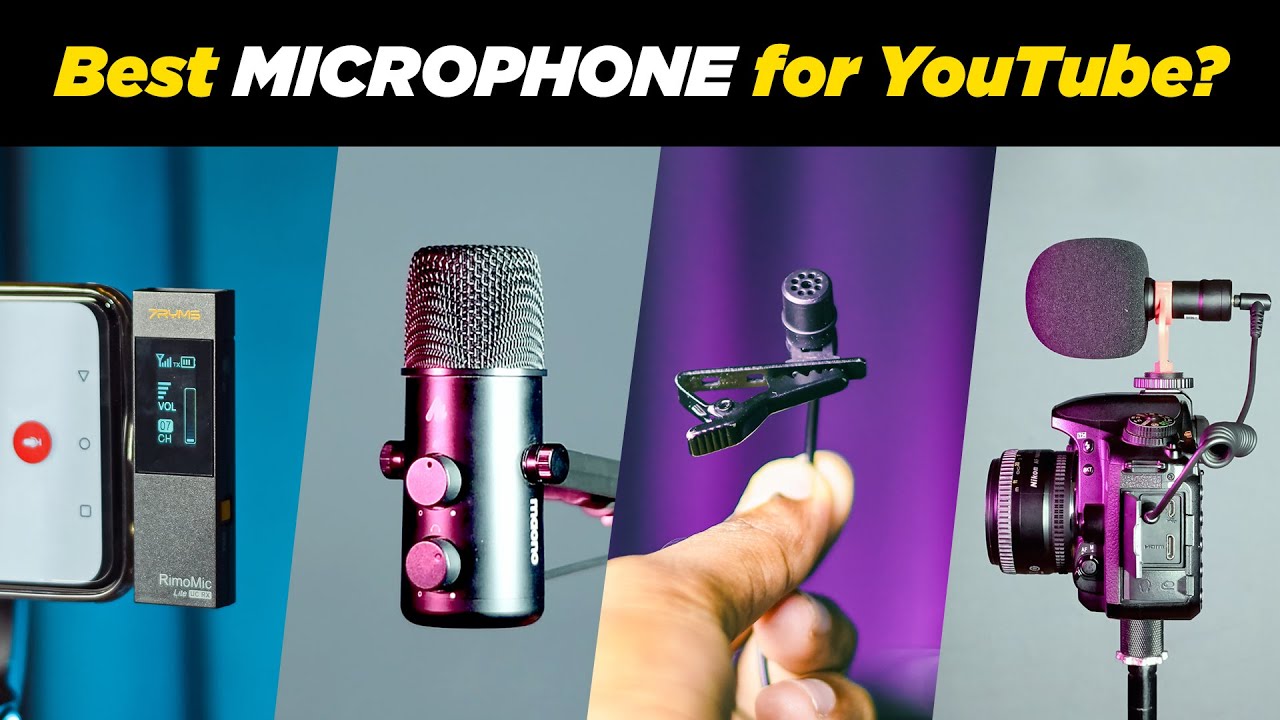

Starting a YouTube channel doesn’t require expensive gear. A good microphone is one of the smartest early investments you can make — poor audio drives viewers away faster than average video quality. The good news? In 2026, budget microphones have improved dramatically. Many USB plug-and-play options now deliver surprisingly clear, professional-sounding voice recordings for under $100.
This guide focuses on beginner-friendly mics ideal for YouTube. We prioritized ease of use, voice clarity, noise rejection, and value for money. All recommendations are USB-based (or hybrid) so you can start recording instantly with your computer or laptop.
Why Audio Matters More Than You Think
Viewers forgive slightly blurry footage but cringe at muffled, echoey, or noisy audio. A decent mic improves perceived production quality, boosts watch time, and helps your videos rank better. For beginners, aim for a mic that:
- Plugs directly via USB (no extra equipment needed)
- Rejects background noise reasonably well
- Sounds natural and clear for spoken word
Top Budget Microphone Recommendations for YouTube Beginners (2026)
1. Fifine K669B / K669 Series – Best Overall Budget Pick (~$35–$60)
The Fifine K669B remains a favorite for new YouTubers in 2026. This USB condenser mic offers excellent voice clarity, decent volume, and simple controls (gain knob and mute) at an ultra-low price.
Pros:
- Clear and lively sound for talking videos
- Built-in gain control and mute button
- Sturdy stand included
- Great value — often beats more expensive entry-level mics in raw loudness
Cons:
- Condenser design picks up some room noise (use in a quiet space or add a basic pop filter)
Best for: Talking-head videos, tutorials, and vlogs on a super tight budget.
2. HyperX SoloCast – Best for Gamers & Streamers (~$50–$70)
Compact, sleek, and incredibly easy to use, the HyperX SoloCast is a top choice for beginners who also game or livestream.
Pros:
- Excellent noise rejection for its price
- Tap-to-mute sensor with LED indicator
- 96kHz sample rate for clearer audio
- Small footprint — perfect for small desks
Cons:
- Slightly less warm voice tone compared to dynamic mics
Best for: Gaming commentary, reaction videos, and dual-purpose streaming/YouTube setups.
3. Fifine AM8 / K688 – Best Value Dynamic Mic (~$45–$80)
Fifine’s dynamic options (especially the AM8 and K688) have gained huge popularity in 2026 for their better background noise rejection.
Pros:
- Dynamic capsule rejects room echo and keyboard noise better than condensers
- USB and XLR versions available (future-proof)
- Some models include boom arm or RGB for extra flair
- Surprisingly natural spoken-word sound
Cons:
- Slightly lower sensitivity (speak closer to the mic)
Best for: Beginners in untreated rooms or those who want room for growth.
4. Maono PD200X / PD300X Series – Best Hybrid Beginner Kit (~$60–$90)
Maono’s dynamic USB/XLR mics deliver podcast-style broadcast sound without breaking the bank.
Pros:
- Strong noise rejection
- Multiple connection options
- Often come as kits with boom arm or shock mount
- Good for noisy environments
Cons:
- Can sound a bit less detailed on higher frequencies
Best for: Interview-style content, product reviews, or creators planning to upgrade to XLR later.
5. Samson Q2U – Most Future-Proof Budget Mic (~$60–$80)
A longtime favorite that still holds strong in 2026. This hybrid dynamic mic works via USB or XLR.
Pros:
- Excellent noise rejection
- Versatile (USB for now, XLR when you add an interface)
- Includes accessories in many kits
- Reliable build quality
Cons:
- Less flashy design than newer RGB models
Best for: Beginners who want one mic that lasts through their first 1–2 years of growth.
Quick Comparison Table (2026 Prices)
| Microphone | Approx. Price | Type | Best For | Noise Rejection | Key Features | Beginner Score |
|---|---|---|---|---|---|---|
| Fifine K669B | $35–$60 | Condenser | Talking-head / Vlogs | Average | Gain knob, mute, loud output | 9.5/10 |
| HyperX SoloCast | $50–$70 | Condenser | Gaming + YouTube | Good | Tap-to-mute, compact | 9/10 |
| Fifine AM8 / K688 | $45–$80 | Dynamic | Noisy rooms | Excellent | USB/XLR, boom arm options | 9/10 |
| Maono PD200X | $60–$90 | Dynamic | Broadcast-style | Very Good | Noise reduction, hybrid | 8.5/10 |
| Samson Q2U | $60–$80 | Dynamic | Long-term use | Excellent | USB + XLR, versatile | 9/10 |
Buying Tips for YouTube Beginners
- Condenser vs Dynamic: Condensers (like K669B or SoloCast) sound brighter and more detailed but pick up more room noise. Dynamic mics (Fifine AM8, Samson Q2U) are more forgiving in untreated rooms.
- Accessories to Add Later: A basic pop filter (~$10) and boom arm (~$20–$30) make a huge difference in sound quality and comfort.
- Room Treatment: Even the best budget mic sounds better in a quiet room. Hang blankets or use closet recordings if needed.
- Test Before Committing: Record a short sample video with each mic if possible. Listen on headphones and phone speakers.
- USB Plug-and-Play: All listed options work instantly with Windows, Mac, and most recording software (OBS, Streamlabs, Audacity, or CapCut).
Final Advice
For most YouTube beginners in 2026, start with the Fifine K669B if your budget is under $60, or the HyperX SoloCast / Fifine AM8 if you can stretch to $70. These mics will make your voice sound clear and professional enough to grow your channel without financial stress.
Once your channel gains traction (or you move into a better recording space), you can upgrade to higher-end options like the Rode PodMic or Shure MV7. Until then, focus on consistent content — good audio from a budget mic is far better than perfect audio you never record.